A few months ago Fair Trade USA (formerly Transfair USA) resigned their membership from international Fair Trade labeling organization, Fairtrade International (FLO) due to “[differing] perspectives on how to best achieve a common mission.” Despite Fair Trade USA’s 2011 announcement of it’s intentions to withdraw from FLO, many in the Fair Trade world had hoped reconciliation would be reached before the January 1, 2012 deadline.
There has been much debate and talk around this shake-up in the Fair Trade world with both Fair TradeUSA and FLO elaborating on the reasoning behind the transition.
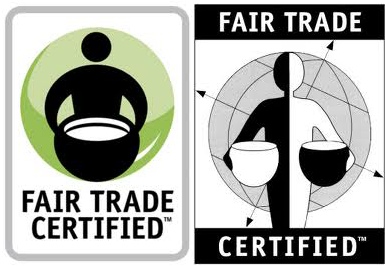 Since the announcement, there has been a lot of change brewing with both labeling organizations. First, Fair Trade USA revealed its new labels that will appear on Fair Trade USA certified products and revealed their new initiative called “Fair Trade for All” which aims to double its impact by 2015. So, for vendors that choose to remain with Fair Trade USA but under its new certification standards, products that previously carried the ‘Bucket Boy’ label will now carry this new label.
And now, after extensive discussions with various stakeholders in the U.S., Fairtrade International has announced it will be launching new operations in the U.S. and maintaining the certification standards that FLO uses.
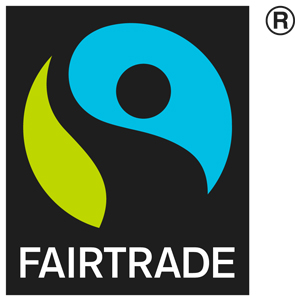 Fairtrade International outlined the components behind this launch, which include introducing the international FAIRTRADE Mark in the U.S. market, continued work with stakeholders to design and build an organizational structure that will reflect the needs of members and work to further expand Fair Trade in the U.S. consumer market. During the transition to an operating U.S. office, Fairtrade Canada will administer and monitor the certification and membership of the FAIRTRADE mark in the U.S. (Full disclosure: Global Exchange was at a meeting with Fair Trade advocates convened by FLO two weeks before the announcement was made public and participated in two consultations in the lead up).
We recognize that there are many different approaches to Fair Trade. The global Fairtrade system will compete respectfully with FTUSA, to ensure that our cumulative efforts will continue to strengthen producers’ position in international trade and improve livelihoods.
Only time will tell what consumers notice in the immediate and long term with another Fair Trade label in the market and different certification standards. Global Exchange will continue to advocate for Fair Trade through our retail stores and campaigns to make sure that more people are educated about the positive benefits of Fair Trade for the producers, people, and the planet.